


Understanding Shame
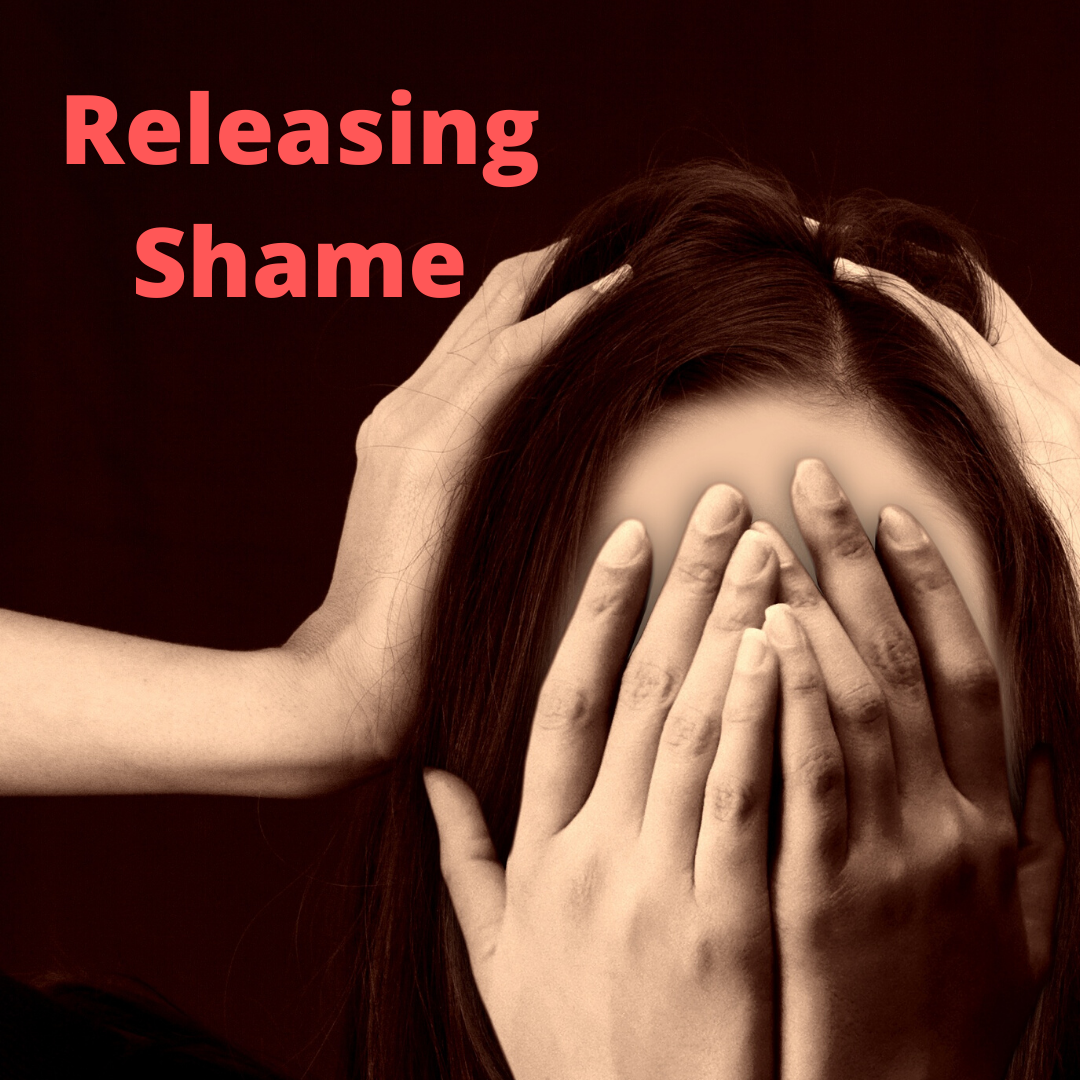 There are many layers to shame.
The definition of shame is a painful feeling of humiliation or distress caused by the consciousness of wrong or foolish behavior.
We, as humans, have some basic instincts that make us susceptible to shame.
First, pain motivates us! We want to avoid it at almost any cost.
Second, we are social creatures, so we want to do things that help us to be part of society.
Loneliness can also be painful, so that instinct to be social is a double whammy.
Those two instincts drive us to do whatever we have to do. We behave however we are “supposed to” in order to “be a part of.”
How Shame Influences Our Desires
I believe that one of the best ways to control a person is to control their sex.
Institutions such as religion, government, and even our family of origin can exert control over us by labeling certain activities wrong or foolish. They can make us behave according to specific criteria, whether we agree with it or not.
Many times we don’t even know to question our beliefs about what is right or not because society has conditioned us so thoroughly.
Then, when we have divergent or unconventional desires, we feel shame, pain, and distress. We are going against everything society has taught us. We face the pain of exile and loneliness.
Shame has more power over us in isolation and secrecy.
When we are inside our minds and feeling bad, we can create a negative feedback loop about how bad we are. We believe that what we want is wrong. We fear that if others find out, they will ostracize us, leaving us alone.
Society constantly reinforces these ideas through its messages, adding to our negative self-judgment.
The more deeply a person participates in the social machine, the more they have to lose by wanting so-called wrong and foolish things.
Releasing Shame Through Acceptance
In the modern day and age, things are changing as communication is improving, and people can connect and discuss things more freely.
As more people confide in each other about their shame, they begin to release it.
The more openly individuals express what they want and need, the more society normalizes those desires.
Sometimes this happens in small private groups, sometimes at a public level.
Having someone witness you is the fastest way to release shame.
I believe this is why people who practice alternative lifestyles, such as nudism, swinging, and kink in community have so much freedom.
When people practice activities that society usually considers inappropriate, others may see, accept, and even encourage them. This allows the layers of programming and judgment to melt away.
It’s just not possible to be ashamed of your nakedness when you walk around nude and others accept you precisely as you are.
Interested in connecting with others who share your interests? Read more about finding a sex-positive community.
One challenge that many people face is that the leap from the conventional lifestyle to any alternative lifestyle is enormous. They don’t know where to start.
Also, as everyone falls in different places along the spectrum, an individual may be experiencing shame but not have any desire to be in a group or semi-public situation. This could include a nudist resort or lifestyle event.
What It Means to Hold Space
That is where individual or private witnessing comes into play.
A witness is someone who can see you in whatever state you have shame around and hold space.
To hold space means to be present, keep attention on the activity at hand, and express acceptance and approval.
Ideally, the witness has some experience with holding a lot of sensation. It can be very intense for a person to be working through all their layers of shame and possible self-hatred and judgmental thoughts.
The witness needs to be able to set aside personal opinions and be present emotionally and energetically for the witnessed person.
As a witness, I suspend my own opinions and judgment.
I take in what is happening and allow my inner observer to be the dominant voice in my mind.
I put any reactions, thoughts, or opinions on the back burner to process later.
I take in the individual, what they are doing, and experiencing as completely as possible.
If they struggle, I may ask questions or make statements to help them stay present and aligned with their goal.
Developing a mindfulness practice can be helpful when learning to stay present with your own experiences.
What Happens During a Witnessing Session
Before a witnessing session, we clarify goals.
We do our best to identify the specifics of the shame and pain. We explore where the shame came from and how it has affected the person’s life.
We clarify our intentions for the session and set a timer.
Then they do what it is to move through the sensations of shame and more while I hold space.
After the timer goes off, we debrief.
We discuss the experience and the emotions of the witnessed one.
In the event of intense emotions or trauma coming up, we talk or journal or do other practices for soothing and decompression.
If you have shame to release and would like someone to witness you, please let me know. We can incorporate this into your coaching package.
If you would like to learn to witness people or hold space for your partner, I can help you develop that skill as well.
Learn more about what to expect when working with me.